

You know those days when you feel low but can’t really explain why your body feels off too? Maybe your head hurts, your stomach feels tight, or your heart just beats a little faster for no reason. Most of us shrug it off — “It’s just tiredness,” or “Maybe I didn’t sleep well.”
But here’s the truth: our body listens to everything our mind feels. When your mental health is struggling, your body quietly starts showing signs small ones at first, and louder ones if you keep ignoring them.
Let’s talk about some early signs that your mind might be whispering through your body and what might be happening behind the scenes.
☁️ 1. You Feel Tired… All the Time
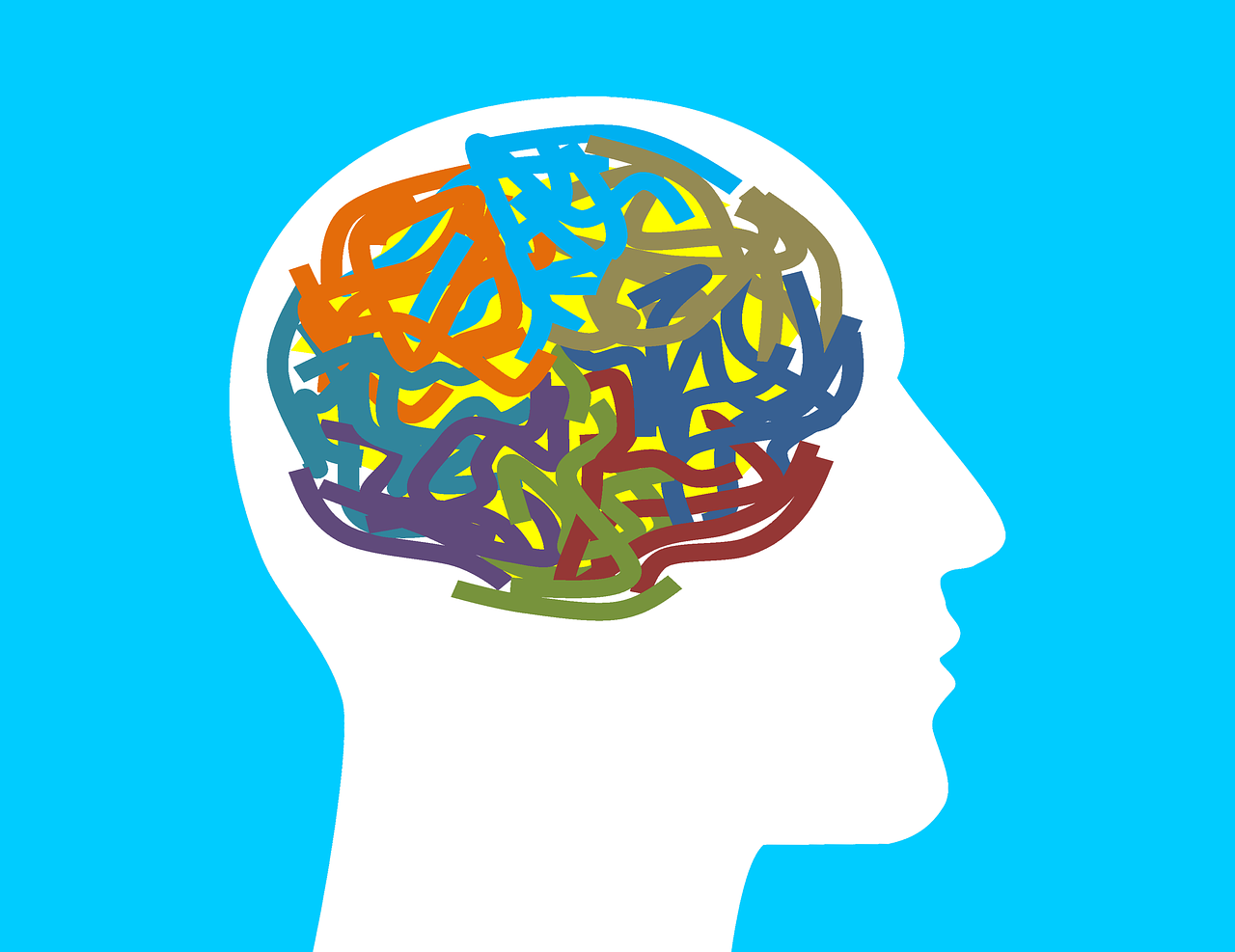
Ever wake up and feel like you’ve already lived the whole day? You’re not alone. That constant exhaustion — even after 8 hours of sleep is one of the first signs that your mind is overworked.
When stress and anxiety stay with you for too long, your brain keeps releasing stress hormones like cortisol and adrenaline. These make your body feel like it’s always in “alert” mode. Over time, that can lead to chronic fatigue, body weakness, and sometimes even low immunity.
Try this: The next time you feel that heaviness, sit for a minute. Take a slow, deep breath. Ask yourself — Am I physically tired or emotionally drained?
2. Headaches, Backaches, or Muscle Pain That Won’t Go Away
You stretch, rest, apply balm and yet that pain doesn’t leave? That’s your body’s way of saying, “Hey, something’s wrong inside.”
Mental tension often settles in the body in the neck, shoulders, or lower back. Stress and anxiety cause your muscles to tighten without you realizing it. Over time, this leads to migraines, tension headaches, shoulder stiffness, or even fibromyalgia (long-term body pain with no clear cause).
Notice this: When you’re stressed, do your shoulders rise? Do you clench your jaw? Small signs like these reveal how emotions live inside your body.
️ 3. Your Stomach Starts Acting Up
Your stomach is like your second brain — it reacts to emotions before you do. Have you ever felt butterflies before an interview or a sudden stomach ache when you’re nervous? That’s the gut-brain connection at work.
Stress can disturb your digestion, leading to acidity, IBS (Irritable Bowel Syndrome), constipation, or loss of appetite. For some people, it’s the opposite they start eating too much for comfort.
Ask yourself: “Am I eating because I’m hungry or because I’m stressed?”
Sometimes your emotions crave peace, not food.
4. Your Sleep Goes Out of Sync
When the mind is restless, sleep becomes the first casualty. You might find it hard to fall asleep or wake up in the middle of the night thinking about work, relationships, or “what ifs.”
Lack of rest over time can cause insomnia, high blood pressure, heart palpitations, and even weight gain. Your body can’t heal or recharge when your thoughts keep racing at night.
Try this: Before bed, put your phone away for 15 minutes. Sit quietly or read something calming. Remind your brain “It’s safe to rest now.”
5. You Fall Sick Often or Heal Slowly
If you’re catching every cold that passes by, or your wounds take longer to heal, it might not just be low immunity it might be stress.
When you’re anxious or emotionally exhausted, your body produces too much cortisol, which weakens your immune system. Over time, it can lead to high blood sugar, high blood pressure, ulcers, and even heart disease.
Notice: When was the last time you fell sick? Was it after a stressful week or a fight? The timing often tells the story your mind won’t say out loud.
Your Mind and Body Are on the Same Team
We often treat mental and physical health as separate, but they’re two sides of the same coin. When your mind hurts, your body speaks up. The good news? When you start healing mentally through rest, therapy, journaling, or self-care your body slowly begins to feel lighter too.
So, the next time you get that random headache or your heart feels too heavy pause. Don’t rush for a pill immediately. Sit with yourself and ask softly:
“What is my mind trying to tell me through my body?”
Because healing doesn’t always begin in a hospital. Sometimes, it begins in a quiet moment of self-awareness.
✨ Coming Up Next:
In my next blog post, I’ll share how you can gently heal your body by healing your mind first small steps, everyday habits, and simple self-care practices that bring balance back into your system. Stay tuned, and remember your body is not your enemy; it’s your closest friend trying to help you listen.